

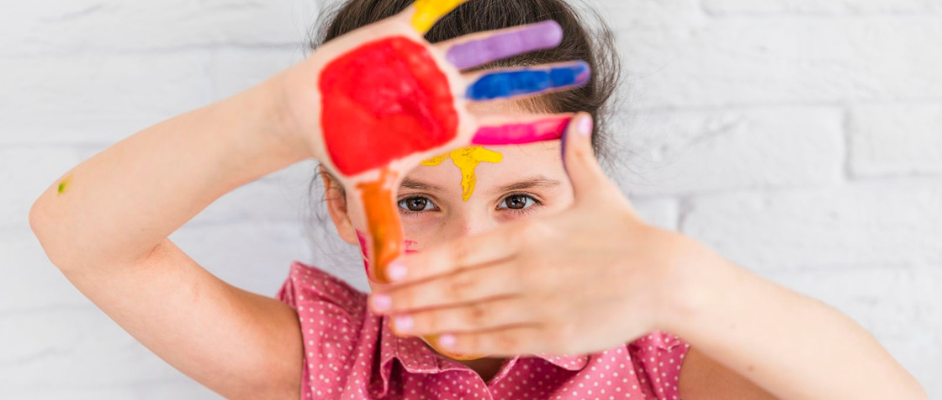
You know, you can see that we love colors and patterns. We think it is important that everyone can find the swing or accessory that suits them, whether they prefer pale, pastel shades or more striking, vibrant patterns. But did you know that, besides how beautiful they are, colors can also affect our moods and mental state?
The fact that colors affect people’s mental state was recognized as early as ancient Egypt, where they began using them for healing purposes. Light and color therapy are still used in alternative medicine today, and their effects are explained by the idea that since every color is part of a vibration or frequency, it can also influence the energies in our bodies.
Many things can determine which colors we like and which ones make us shudder just by looking at them. We would now just like to tell you a few interesting things about some colors in general, so you know what to consider when choosing the shades that will surround your children. It is worth focusing on more than just one color; instead, combine them, pairing cool tones with warm ones - blue and yellow or red and green, for example, look great. These combinations are sure to have a positive effect on little ones!
Pink
A great favorite for girls’ rooms, and our pale pink swing is also very close to our hearts. It matters whether we choose a stronger or more subtle shade, as pale pink has a pleasantly calming and relaxing effect. In contrast, more intense pink - similarly to red - tends to raise blood pressure; it is an exciting color with a high energy level that encourages action.
Blue
It is a cool color, but despite this, like pink, it radiates peace and calm, which is why it is so often used in bedrooms as well. It creates a pleasant sense of well-being and can also reduce stress. However, bear in mind that it may also reduce appetite, and perhaps most annoyingly, mosquitoes are supposedly more attracted to anything blue.
Yellow
The color of light, optimism, and hope. It offers fun and playfulness, and the main reason we especially like using it is that it greatly contributes to the development of motor skills and has a positive effect on the nervous system. However, using only yellow in a room, for example, is not recommended, because in large amounts it can also cause anxiety, nervousness, and impatience - which is unfortunate even for an adult, let alone a small child…
As we mentioned above, it is worth mixing it with blue, for example.
Green
Green is nature itself, so it is no wonder that it can create harmony on its own. Like earth tones in general, it can represent security and independence. Its darker shades are more associated with material things and authority, while lighter shades symbolize freshness and rebirth. As with yellow, however, it should not be used excessively, because it can also evoke quite a few negative feelings, such as jealousy and selfishness.
Red
The most extroverted, intense color on the scale, it attracts attention and is associated with strong emotions - including love, affection, excitement, and anger. It can have several positive effects on health, both physical and mental, because it motivates, fills us with energy, and encourages creativity. At the same time, it can cause headaches, and excessive use of red is not recommended for people who are not entirely emotionally stable.
As with everything, it is worth striving for moderation when using colors as well, since too many colors and too many patterns can lead to overstimulation. We also try to create a balance between bold, intense colors and more subtle, pale shades, so that babies and small children always feel peaceful and safe, whether they are in the swings or beside the accessories. A baby who is a fussy eater may not magically start eating twice as much of everything because of a pink swing, and repainting the entire room may not be the answer to constant nighttime awakenings either - but it may be worth thinking about these things, as you might notice some surprisingly interesting connections. Give it a try!
Share:
TO EAT OR NOT TO EAT
Adamo Baby Swings from a Motor Development Perspective