
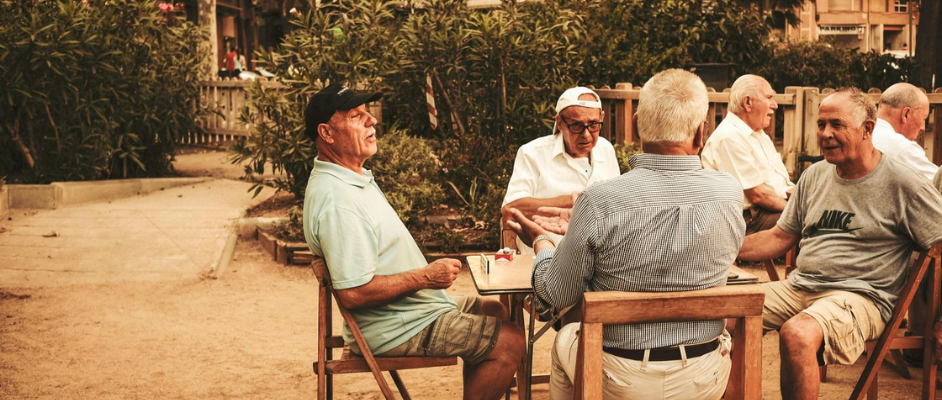
For many people, autumn, cooler weather, and the fact that it starts getting dark earlier all represent the passing of time. Of course, many other things add to this feeling—leaves fall, and All Souls’ Day is approaching (fortunately, only slowly), just to name a few. Since 1991, October 1 has been observed around the world as the International Day of Older Persons—at least by those who know about it.
But the things described above—autumn and growing older—do not necessarily mean only this. They are much more a time of reassurance and slowing down, when the world is still beautifully colorful, just as it was in summer, except that the light no longer dazzles us but soothes us. The rush of summer is over, but perhaps that is not such a bad thing; a peaceful period can begin. Life is like that too.
When the United Nations declared October 1 the International Day of Older Persons, one of its aims was to draw attention to aging with dignity. Which—let’s face it—should be a fundamental right for everyone. But it is interesting how, before Mother’s Day, Children’s Day, and Valentine’s Day, the world rings with advice about what to buy for them and where to take them. Flower shops overflow with pink bouquets, little hearts, and cards saying “just for you.” We don’t know how others feel about it, but we have not seen many signs saying that October 1 is just around the corner and that we should surprise a beloved older relative or acquaintance. In fact, we haven’t seen a single one.
And yet everyone would have at least as many reasons to celebrate them as to celebrate lovers. We are very lucky that they can be part of our lives, even if only for a shorter time. There are exceptions, as there are in everything in the world—not every older person is wonderfully kind and full of stories—but when someone is, it is so good to spend as much time with them as possible. Not only for them, but for us too. We often make the mistake of saying we will call them “tomorrow” or drop by “next week,” because we are busy and they have plenty of time anyway; they will be fine with it.
Young children should also spend much more time with their great-grandparents, older relatives, and older friends. Many small children are a little wary of them at first, which is understandable, but once they find a common language, neither of them will ever forget it. They may have only a few years together. When a great-grandparent or grandparent passes away, they may not leave the child with concrete memories, only feelings and impressions—but those will always remain. The smell of the old toys that could only be played with at their house. The pattern on the cupboard where the chocolate was kept, in front of which you sat and waited for it to open. The key to the chocolate cupboard, which you learned to use fairly quickly and which was never hidden from you there. The feel of the black-and-white photographs in which you could not believe that the slightly stooped, gray-haired older man sitting across from you had once been a little boy in nothing but shorts beside his mother.
Fortunately, these days we meet more and more active older people; not everyone sits alone at home. Many grandmothers and grandfathers go on longer trips, pick up children from daycare, preschool, or school, and many are actively involved in the daily lives of their families and friends. Who doesn’t have at least one memory of Grandma coming to pick them up from preschool, only for the best homemade pastries to be waiting at home—pastries with the distinctive “Grandma taste” that people have been searching for ever since?
If you will accept some advice, do not put off phone calls and visits until “next week,” especially if the person you would be visiting lives alone. Do not let yourself regret later that you were not there often enough, did not listen enough, or did not share enough. It is not difficult to help make sure that people can age with dignity; you simply have to be there and pay attention. Not because older people must be respected—we do not believe that age alone deserves respect. But it does deserve respect when someone looked after you, taught you, and loved you very, very much when you were younger. They did not do it so that you would visit them every day once they grew old, but because they wanted to be with you. You needed their patience when they explained the answers to your questions for the fortieth time; you should also have the patience to explain what they now find more difficult to understand. And you still have time—almost a month to prepare for this day. It is worth paying attention to what would make them happy and how you could surprise them. It is worth it.
Share:
How to Treat a Cold While Pregnant – The Dangers of Colds During Pregnancy
Halloween receptek